A Photograph, Ninety Years Apart
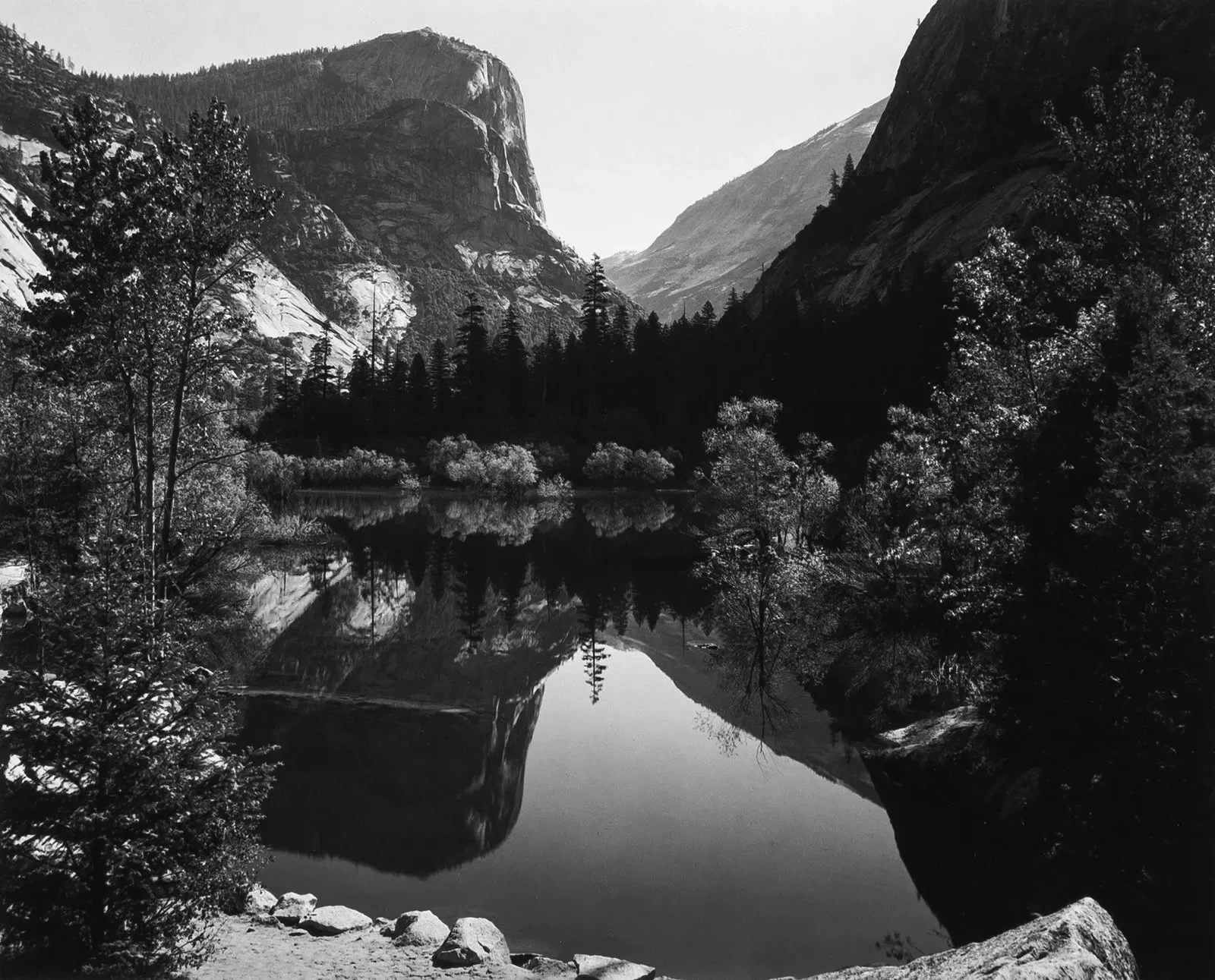
Mirror lake, Yosemite National Park, Photo by Ansel Adams, 1937
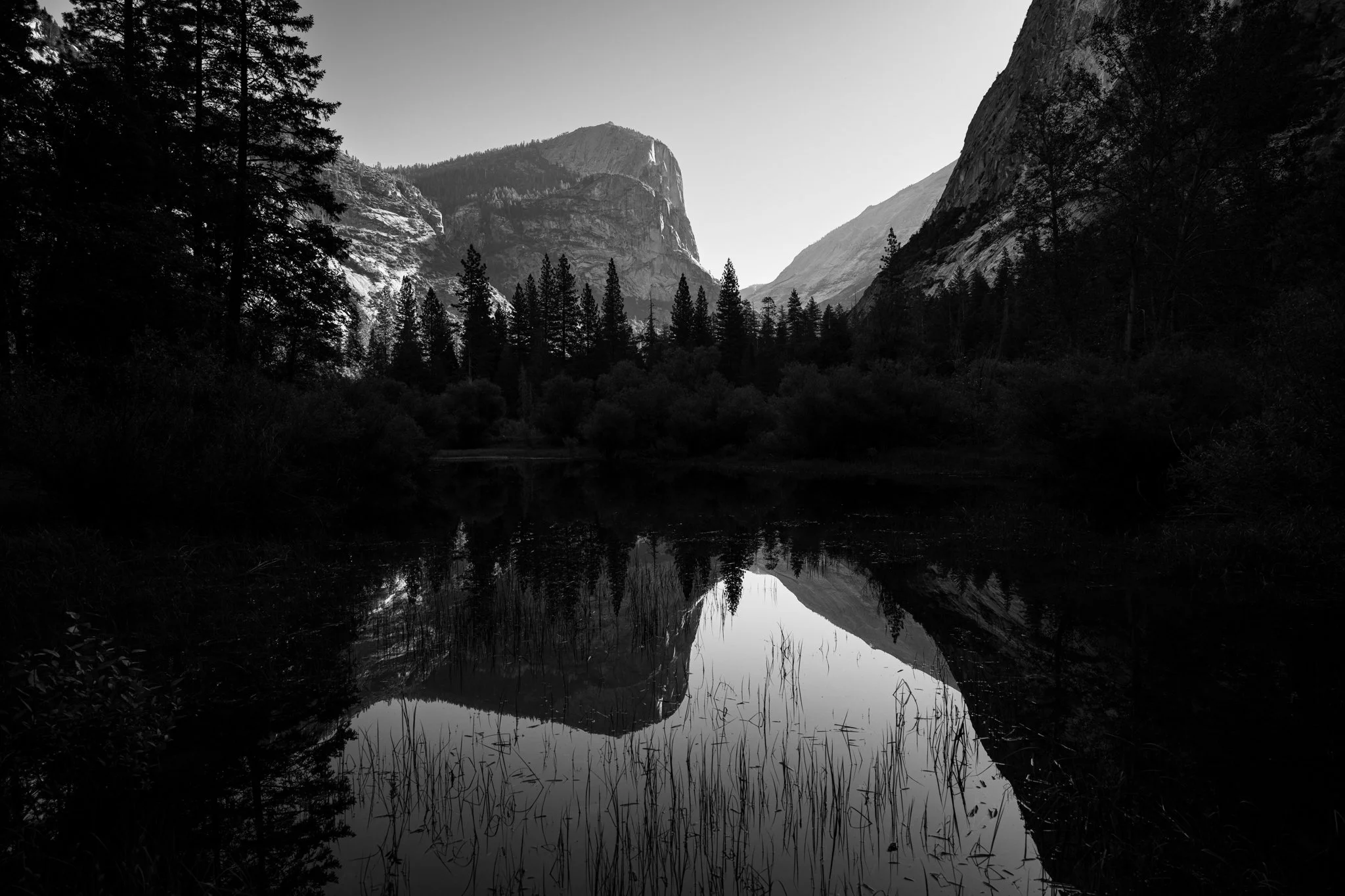
Mirror lake, Yosemite National Park, Photo by Ako Salemi, 2026
I read Ansel Adams’ The Camera when I was eighteen. At first, the book interested me as a technical book about photography — a book that explained the structure of different cameras and lenses, and how each could be used across different photographic genres. But little by little, its appeal shifted for me from technical matters to the photographs printed inside it as examples, all of them by the author himself: black-and-white photographs of the American landscape, with captions that read: Yosemite National Park, California. In those years, the book became one of the objects on my desk. I turned its pages so often that it began to look worn and aged. By then, I had already learned the technical lessons. It was the photographs themselves that, each time I looked at them, filled me with a deep desire to become a photographer.
Years passed, and I came to California as a photographer — to the birthplace of Ansel Adams. Seeing original prints of his work in museums in San Francisco, standing before them directly, I was struck by the richness of those luminous gray tones, moving with such harmony toward absolute blacks and whites. That experience only deepened my desire to see Yosemite. The place that had held Adams’ devotion for a lifetime seemed to carry a power and presence beyond nature itself. How could I photograph a scene from this magical landscape without remembering his work?
It was early dawn when I left my tent and walked toward Mirror Lake. When I arrived, I found a small, quiet lake at the foot of Half Dome, slowly coming alive with the first rays of sunlight. I had only about an hour to photograph in the morning light. I began quickly, walking around the lake several times and photographing it from different angles. A few days later, sitting at home behind my laptop, I selected the one photograph that, for me, carried the most complete feeling of that morning. Then I thought of comparing my image with Ansel Adams’ photograph. To my surprise, I realized that his influence on me had been so deep that I had looked at the lake from almost the same angle from which he had photographed it ninety years earlier.
***
کتاب (دوربین عکاسی) آنسل آدامز را وقتی هجدهساله بودم خواندم. ابتدا به عنوان کتابی فنی در مورد عکاسی برایم جذابیت داشت، کتابی که ساختار دوربینها و لنزهای مختلف و کاربرد هرکدام را در ژانرهای عکاسی آموزش میداد. جذابیت کتاب کمکم برایم از مسائل فنی به عکسهایی که به عنوان نمونه در آن چاپ شده بودند و همه از کارهای خود مؤلف بودند، تغییر پیدا کرد. عکسهایی سیاهوسفید از طبیعت آمریکا که زیرشان نوشته شده بود: «پارک ملی یوسمتی، کالیفرنیا». آن سالها کتاب به جزئی از اشیای روی میزم تبدیل شده بود و از شدت ورق خوردن کهنه و فرسوده به نظر میرسید. دیگر مسائل فنی را یاد گرفته بودم و خود عکسها بودند که هربار دیدنشان شوق عکاس شدن را در من ایجاد میکرد.
سالها گذشت و من به عنوان عکاس به کالیفرنیا، زادگاه آنسل آدامز آمدم. در موزههای سنفرنسیسکو، مواجههی بیواسطه با پرینتهای اصلی کارهایش، آن غنای متعالی تنهای موزون خاکستری که به سیاهیها و سفیدیهای مطلق میرسیدند، شوق دیدار من از یوسمیتی را دوچندان کرد؛ جایی که یک عمر آدامز را دلباختهی خود کرده بود، ابهت و قدرتی ماورای طبیعت داشت. چگونه میتوانستم صحنهای از این طبیعت جادویی را بدون یادآوری کارهای او عکاسی کنم؟
گرگومیش صبح بود که پیاده از چادرم به سمت دریاچهی میررلیک راه افتادم. وقتی رسیدم، دریاچهای کوچک و آرام را پای کوه هفدم یافتم که داشت با اولین پرتوهای آفتاب جان میگرفت. برای عکاسی در نور صبحگاهی یک ساعت بیشتر وقت نداشتم. سریع دستبهکار شدم، چند بار اطراف دریاچه قدم زدم و از زوایای مختلف از آن عکس گرفتم. چند روز بعد، وقتی در خانه، پشت لپتاپم از میان عکسهای مختلف، تکعکسی را که کاملترین حسوحال آن صبح را به من میداد انتخاب کردم، به فکر مقایسهی عکس آنسل آدامز با عکس خودم افتادم و در کمال تعجب دیدم تاثیری که از او گرفتهام چنان عمیق بوده که من تقریبن از همان زاویهای به دریاچه نگاه کرده بودم که او نود سال پیش از آن عکاسی کرده بود. آکو سالمی